Iran’s Uprising: Pain and Growing Hope: IFA
Iran’s Uprising: Pain and Growing Hope: IFA
Iran is living through one of the most decisive moments in its modern history. What the world often sees as headlines and social media clips is, for Iranians, a daily fight for freedom – one marked by grief, courage, and rising hope.
Two Stories Colliding
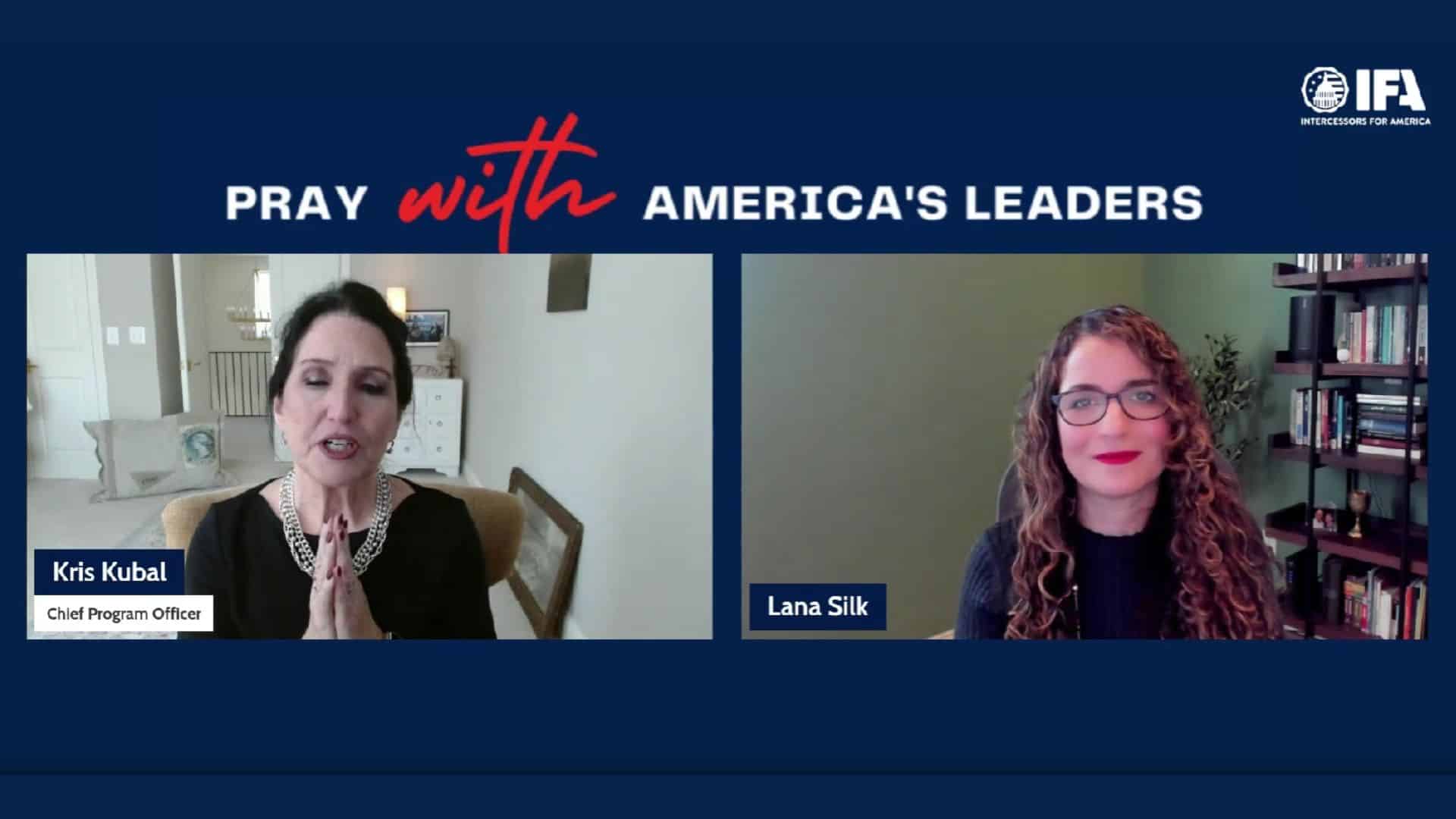
In a recent Pray With America’s Leaders interview with Kris Kubal of Intercessors for America, Lana Silk, incoming President and CEO of Transform Iran, offered a rare, firsthand look into what is truly happening inside Iran. Drawing on trusted contacts within the country and her own lived experience growing up under the Islamic Republic, Lana described a nation caught between brutal violence and a growing belief that change may finally be possible.
The Cost on the Streets: “It’s a Bloodbath”
Lana did not soften the reality facing ordinary Iranians.
“On the one hand, it’s a bloodbath. There’s devastating loss—casualties everywhere.”
Just before the interview, she received video footage from inside Iran showing bodies lining the streets, evidence of the heavy price being paid by protesters. Estimates of those killed range into the thousands, but Lana emphasized that numbers alone fail to capture the scale of suffering.
That’s just the body count. Tens of thousands of people have had their families ripped apart; their children, their parents taken from them.
The violence has created widespread fear, yet it has not extinguished the people’s resolve.
Fear and Hope Rising Side by Side
Alongside grief and trauma, Lana described another emotion spreading across Iran: hope.
“There’s this constant hope that maybe we’ve done enough … maybe there’s enough attention from the world that the story is finally going to change.”
Despite internet shutdowns, armed security forces, and severe repression, Iranians continue to protest with minimal resources, often facing live ammunition with little more than determination.
They’re not armed. They’re literally using sticks and stones or homemade weapons.
This imbalance of power is why she believes outside intervention may ultimately be necessary.
Why Outside Help May Be Decisive
Iran’s protesters face two overwhelming disadvantages: firepower and infrastructure control.
“The government can turn the lights out. They can shut the internet down.”
History offers a sobering parallel. The overthrow of the Shah in 1979, she noted, also involved external forces. “It would be remarkable for them to take this to the final stages on their own.”
At the same time, the regime is not monolithic. There is evidence of defections within the police and security forces, including videos of officers laying down their weapons.
There are defectors – a growing number of them.
Still, a significant portion of the leadership remains resolute.
An Ideological War, Not Just Political
One of the most sobering insights Lana shared is that the regime’s response is driven not only by power and corruption, but by ideology. “This is an ideological war for the Iranian leadership.”
She explained that Iran’s Supreme Leader often refers not to Iran as a nation, but to the “nation of Islam”.
He has said before it would be fine if Iran burned, as long as the Islamic cause was upheld.
This worldview helps explain the regime’s willingness to inflict extreme violence on its own people.
What Iran Was – and What Its People Remember
Many outside Iran are unaware of how different the country once was. Before the Islamic Revolution, Iran was socially open, culturally vibrant, and largely secular.
It was very westernized. You would recognize the streets, the clothes, the education.
Ironically, one of the complaints against the Shah was that he did not enforce compulsory hijab. “They wanted integrity in their faith. And of all the things we can accuse the Iranian government of, we can’t accuse them of a lack of integrity.”
The promises of justice, mercy, and care for the poor drew many to the revolution, without fully understanding the cost.
They got what they asked for, but they didn’t realize what they were really asking for.
Growing Up Under the Islamic Republic
Lana’s analysis is shaped by personal experience. Born into revolutionary Iran, she grew up under strict Islamic rule. She described schooldays that began with chants of “Death to America” and “Death to Israel”, enforced dress codes, and constant surveillance.
“Everything was colored by it. Everywhere was control.” Even recreational activities were segregated by gender, sometimes with tragic consequences.
Women were required to wear hijab even while swimming. Many drowned because of it.
These memories give weight to her understanding of why Iranians are risking everything today.
Get Trusted Updates From Iran
Receive monthly updates. Stay informed. Pray with clarity. Stand with the people of Iran.
The Deeper Freedom Iranians Are Seeking
While political freedom matters, Lana emphasized that spiritual freedom is what ultimately sustains Iranians – especially believers facing persecution.
Nowhere in the Bible does God promise political freedom. But the freedom Jesus offers trumps all of that.
She shared testimonies from Christians imprisoned and tortured for their faith. “They tell me, ‘I would go back there in a heartbeat—for the way I experienced the presence of God.’”
Dreams, Visions, and a Spiritual Awakening
Iran is already witnessing a quiet but powerful spiritual movement. Lana explained that many Muslims come to faith through dreams and visions, forms of communication deeply respected in Iranian culture.
They’re wired to notice their dreams, especially during Ramadan.
She shared stories of Jesus appearing in dreams, healing the sick, and drawing people to Himself in deeply personal ways, often at great personal risk.
What the Church Can Do Now
Lana outlined four key and urgent areas for focused prayer for Iran:
- Pray for believers in Iran
With ongoing internet shutdowns, communication between Christians has become extremely limited, increasing isolation at a time of heightened arrests and surveillance. Many believers are deleting contacts and chat histories to protect others if their devices are checked, further cutting them off from fellowship. While Iranian Christians know Jesus deeply and are led by the Holy Spirit, this season requires them to dig even deeper into their faith as they are separated from other believers.- Pray for strength, courage, and endurance for isolated believers
- Pray for deep peace, comfort, and joy rooted in their relationship with Jesus
- Pray that they would remain spiritually connected and steadfast despite physical separation
- Pray for the lost and those who are seeking
Iranians are a deeply spiritual people who are longing for freedom and truth. Decades under Islamic rule have produced widespread disillusionment and confusion about who God is and what it means to please Him. Many are actively seeking answers, while others are quietly open and searching with sincere hearts.- Pray that those who are seeking would encounter Jesus
- Pray that God would lead them to Christian TV, radio, and digital media
- Pray that God’s promise would be fulfilled: “If you seek, you will find”
- Pray for the leadership of Iran
Lana emphasized that even Iran’s leaders are not beyond God’s reach. Though it feels like the boldest prayer given the regime’s actions, she reminded listeners that Jesus died for them as well. Pointing to Paul’s transformation from Saul, she encouraged believers to pray for repentance, radical encounters with Christ, and a supernatural shift in the nation’s leadership and laws.- Pray for encounters with Jesus among Iran’s leaders
- Pray for repentance, transformed hearts, and changed minds
- Pray for a shift in the regime and laws to allow openness to the gospel
- Pray boldly, even for public repentance and testimony from those in power
- Pray for Christian workers on the front lines
Lana also called for prayer for Christian workers serving on the cutting edge of ministry to Iran. She emphasized the need for informed, specific, and persistent intercession, urging believers to “go to war” in prayer against spiritual deception and strongholds over the nation.- Pray for strength, protection, and perseverance for Christian workers
- Pray against spiritual principalities spreading lies and deception
- Pray for truth to be established throughout Iran
- Pray for provision—resources, people, and open doors—and consider getting involved
We don’t just want an open door. We want to be ready when it opens.
Iran has dozens of languages, many without Scripture. Transform Iran is working now to prepare Bibles, train leaders, and equip the Church for this critical moment.
For more specific ways to pray for Iran
A Moment That May Not Last
Lana offered a sober reminder: openness does not last forever.
People will eventually be distracted by the cares of this world.
The time to act – pray, prepare, and support – is now.
How You Can Help
Transform Iran is meeting urgent needs today while preparing to respond to a larger humanitarian crisis if conditions worsen or the regime collapses. We need your help.
Interview originally published on: Intercessors for America

Donate Today