
Life in Iran Amid War and Humanitarian Crisis: A View from Inside
Life in Iran Amid War and Humanitarian Crisis: A View from Inside
For millions of Iranians, 2026 has been a year of intense upheaval and a deepening humanitarian crisis. Protests and heavy repression at the beginning of the year were followed by war, a conditional ceasefire and months of growing instability. By September, renewed security tensions and worsening economic conditions have left families struggling to meet even their most basic needs.
Behind the headlines are people whose lives have become increasingly restricted. Families are cutting essential food from their budgets. Some children are working to help support their households rather than attending school. Reports reaching Transform Iran describe long queues for fuel, difficulty traveling and a growing fear of theft, even when bringing groceries home.
The crisis is not simply about rising prices. For many families, it is about how to survive today, with increasingly little left to sustain them tomorrow.
Iran’s 2026 Protests, War and Ceasefire
Iran entered 2026 amid widespread protests, severe economic pressure and an intensifying government crackdown on dissent. Accounts reaching us from inside Iran became increasingly horrific. Contacts described hospitals overwhelmed with wounded people and bodies, families desperately searching for detained relatives, and, with authorities providing no information about where missing loved ones had been taken, families forced to search among body bags themselves. Others were prevented from holding public funerals or faced demands for large payments to recover the bodies of loved ones. Medical staff who treated injured protesters were targeted and executed. Those who survived detention brought accounts of severe physical and psychological torture, forced confessions and mock executions. One woman caught in the protests described arriving at a hospital where wounded and dead protesters were arriving continuously, many so covered in blood they could not be recognized. (For more, see our detailed reports and first-hand accounts from earlier this year.)
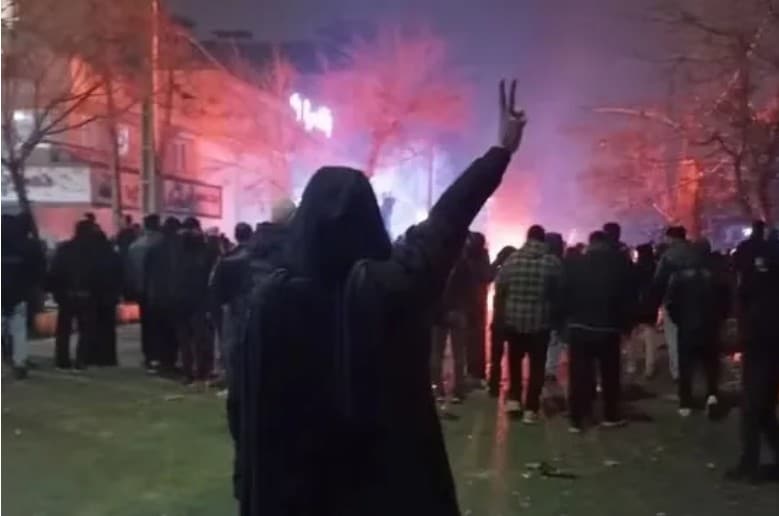
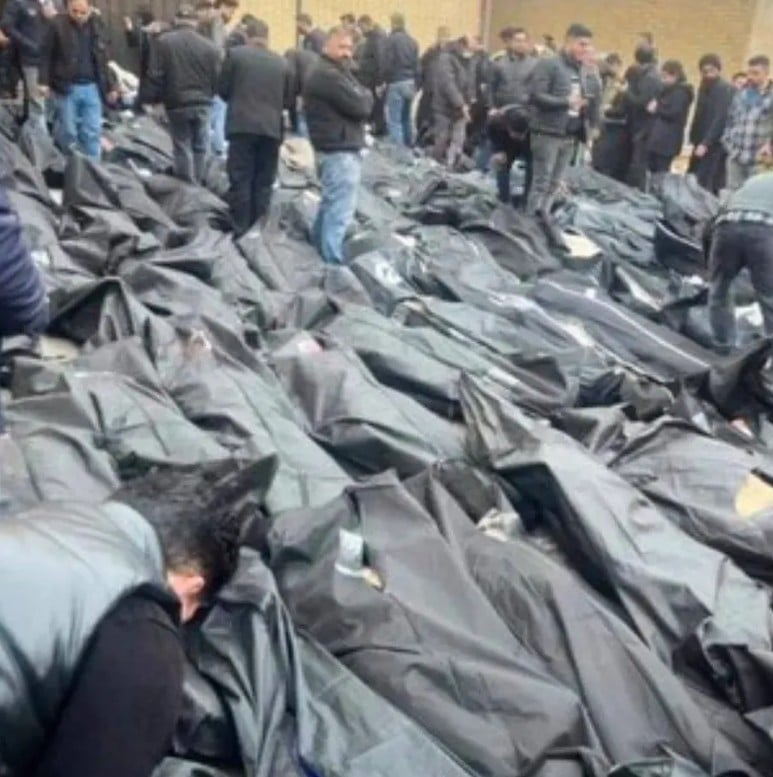
Against this already traumatic backdrop, on February 28, the United States and Israel launched strikes against Iran, beginning a wider conflict that brought further disruption to a country already experiencing deep political and economic uncertainty.
Iran responded with strikes against Israel, American military bases and other regional targets. As the fighting continued, ordinary Iranians faced the combined effects of insecurity, disrupted trade, sanctions and the deterioration of an already struggling economy.
After 40 days of war, a conditional ceasefire between the United States and Iran was announced on April 8.
For many people outside Iran, a pause in the fighting might have seemed an opportunity for relief. But for those who had hoped the conflict might bring political change, the ceasefire introduced another kind of uncertainty.
Iran’s Ceasefire Brings Fear, Not Relief
The general atmosphere after the ceasefire was not one of relief, but one of deep anxiety, fear and disappointment. Contrary to what might be assumed from the outside, many people were not distressed by the war itself as much as they were by the fact that it had been stopped.
On-the-ground accounts revealed a painful reality: even an end to immediate fighting left people fearful about what would come next.
Despite all the hardship, the sound of explosions, damage to homes, and even personal injuries suffered, many of us believed that this war might finally bring us to a point of deliverance and freedom. For that reason, the announcement of a ceasefire was not seen as a sign of comfort, but rather as the loss of a hope that had begun to form in our hearts.
Growing Fear and Repression Inside Iran
I am now more afraid than ever for our future, because we don’t know what awaits after this ceasefire, and whether it will lead to even harsher and darker repression than before.
In the days immediately following the April ceasefire, our contacts described widespread fear and uncertainty. While the fighting had paused, the Islamic Republic remained in power—known for severe repression, abuses and violent crackdowns against its own people—and many feared that the authorities would use the ceasefire as an opportunity to regroup and intensify their crackdown on dissent.
Fighters recruited from Iraq, Lebanon and Afghanistan also started moving through the streets on motorcycles, creating fear and intimidation as they shouted slogans such as “Haydar” and “Allahu Akbar”. Haydar is an Arabic word meaning “lion” and is associated with bravery and strength.
The atmosphere remained tense in the months that followed. Our contacts described empty streets with ordinary people rarely seen in public, an increase in checkpoints and a heavy security presence, with regime forces and supporters highly visible in public spaces.
My greatest concern now is that we may once again be forced to live under the shadow of the same regime and the same conditions, without any real change in our destiny.
Further concerns about police conduct and accountability emerged in September after video footage showed officers beating and sexually humiliating a teenager in Tabriz. Following public outrage, six officers were detained and subsequently charged. However, the judiciary described the incident as “inappropriate conduct” and its published list of charges made no explicit reference to sexual assault. The case highlights continuing concerns about human rights abuses by Iranian security forces, including violence against children, and raises serious questions about whether those responsible will face meaningful accountability.
Internet access remains extremely limited. Contact with teams inside the country remains brief, scattered and layered with anxiety. These restrictions also make it increasingly difficult to establish the full extent of events across the country.
Military Training Extended to Include Children
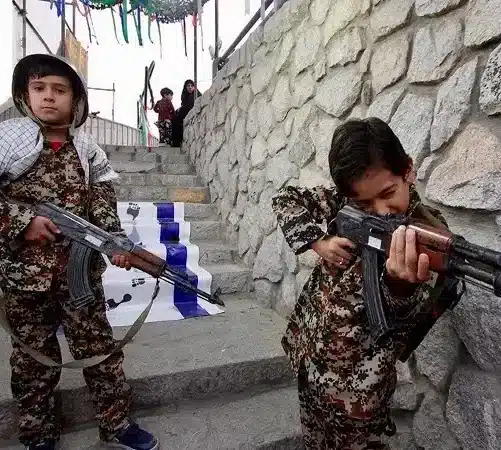
The Islamic regime is also expanding military training to boys as young as 12 under its Janfada campaign, as part of wider mobilization efforts. According to campaign spokesperson Sasan Zarei, training has begun for those aged 15 and above, with plans to extend the program to younger children. The training reportedly includes combat readiness, intelligence gathering, drone operation and familiarity with shoulder-fired weapons, beginning in Tehran before expanding to other provinces.
The Islamic Republic has a long history of recruiting children for military purposes. During the Iran–Iraq War (1980–1988), more than 550,000 children were sent to war, with at least 36,000 killed, according to Iranian government figures cited by Amnesty International. More recently, Amnesty documented children participating in armed IRGC patrols and manning checkpoints, including an 11-year-old boy killed at a checkpoint in Tehran. The expansion of military training raises renewed concerns that another generation of Iranian children could be drawn into armed conflict.
Growing Concerns for Children’s Safety in Schools
The climate of fear is now extending into Iran’s classrooms. Since the new school year began in September 2026, reports have emerged of increased Basij and military activity in schools, including weapons training, pressure to participate in ideological programs and demands for students to carry military-style identification tags. Parents and students have expressed growing concern for children’s safety, with some reportedly facing threats of disciplinary consequences for refusing to participate. For families already living with the trauma and uncertainty of war, even schools are becoming places of fear rather than safety.
Executions in Iran: Prisoners Protest
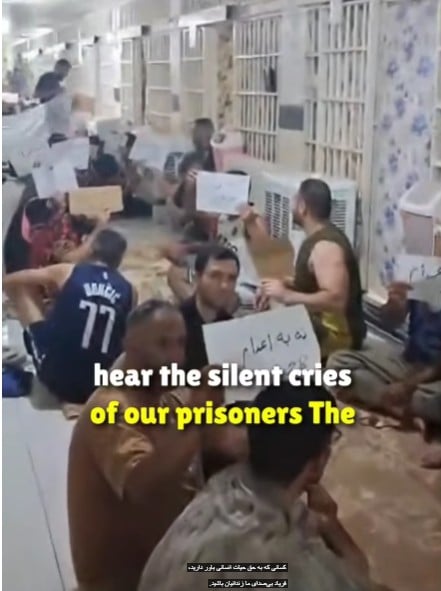
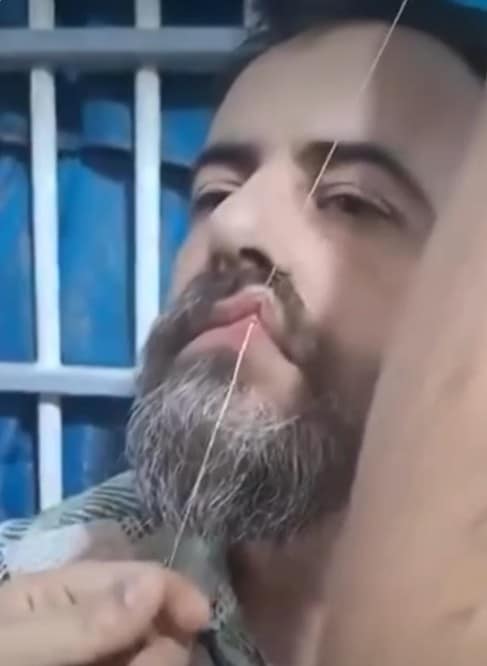
By July, the rising number of executions prompted an extraordinary protest inside Ghezel Hesar Prison, Iran’s largest jail. At least 1,500 death-row prisoners joined a hunger strike after six prisoners were transferred to solitary confinement ahead of possible execution. Several men sewed their lips shut in protest.
Footage from inside the prison shows prisoners gathered in corridors holding signs calling for an end to executions. Human rights groups have warned of the accelerating use of the death penalty across Iran.
Get Trusted Updates from Iran
Receive monthly updates. Stay informed. Pray with clarity. Stand with the people of Iran.
Renewed Protests and Regime Security Tensions
Security tensions rose again in September, particularly in southeastern Iran, where armed civilian groups clashed with government forces.
On September 12, Iranian security forces and Baloch militants engaged in a prolonged firefight near Saravan, in Sistan and Baluchestan province. Iranian authorities reported that three security personnel were killed, while a coalition of Baloch armed groups claimed nine government personnel had died.
Further fighting erupted on September 23, when Hossein Zarifi, an Islamic Revolutionary Guard Corps (IRGC) commander, was killed during hours of clashes in Saravan. The IRGC confirmed his death, while local sources reported that another intelligence officer was killed and at least 13 security personnel were wounded. An armed group calling itself the Popular Fighters Front claimed responsibility, although casualty figures remain disputed. Local reports also described a heavy military presence around Saravan’s Razi Hospital, restrictions on movement and severe internet disruptions, adding to the insecurity facing civilians in the region.
The same month, a prominent Sunni cleric was shot dead outside his residence in Zahedan. His attackers had not been identified in the reporting available at the time.
Meanwhile, protests and strikes marking the fourth anniversary of Mahsa Amini’s death demonstrated continuing opposition to the authorities. Businesses in around 20 cities across Kurdish-majority areas closed in protest. Ahead of the anniversary, authorities reportedly made pre-emptive arrests, threatened to seal businesses that joined the strikes, and restricted access to roads and Aichi cemetery, where Amini is buried. Checkpoints, riot police and security vehicles were deployed in large numbers, while some areas experienced internet disruption. The scale of these security measures suggested that authorities were concerned about the possibility of renewed nationwide protests.
Security forces were also deployed around gas stations and on streets across Iran in September as higher fuel prices took effect. Reports described police, Basij forces and special units stationed in numerous cities, including Tehran, Mashhad, Tabriz and Isfahan. The increased security presence added to an already tense atmosphere amid growing economic pressure and continuing public discontent.
A shrine in Iran was reportedly set alight as authorities increased IRGC deployments around places of worship and other important facilities. Religious institutions have long been used to bolster the Islamic Republic’s authority, while reports have indicated that some mosques and shrines have also been used to shelter security personnel, store weapons and support operations during periods of unrest. With economic pressures mounting and public frustration deepening, some sites long associated with the regime’s authority have also become targets of protest and resistance.
On September 18, the government organized a large rally in Tehran to demonstrate public support, while protests and strikes elsewhere in the country reflected continuing opposition to its policies.
The government is also considering legislation that has raised concerns about further restrictions on contact with the outside world. A proposed Countering Infiltration bill has prompted debate over its potential impact on communication with foreign institutions, media and international organizations. Iran’s cabinet has itself opposed a parliamentary committee report on the proposal.
For ordinary families, these developments add further uncertainty to an already difficult year.
Iran’s Economic Crisis: When There Is Nothing Left to Cut
Even in April, the economic situation was worsening, with prices rising sharply and work becoming increasingly scarce. Many had lost their jobs. For families we heard from, the pressure had become so severe that their concerns were no longer only about security and the political future of the country, but about meeting the most basic needs of daily life.
In brief phone calls with loved ones outside the country, families described the combined pressure of medicine shortages, treatment costs, inflation, unemployment and insecurity. Essential goods have become scarce or suddenly unaffordable. Many medicines are now either unavailable or cost several times what they once did. For those with chronic illnesses, ongoing treatment has in some cases become nearly impossible.
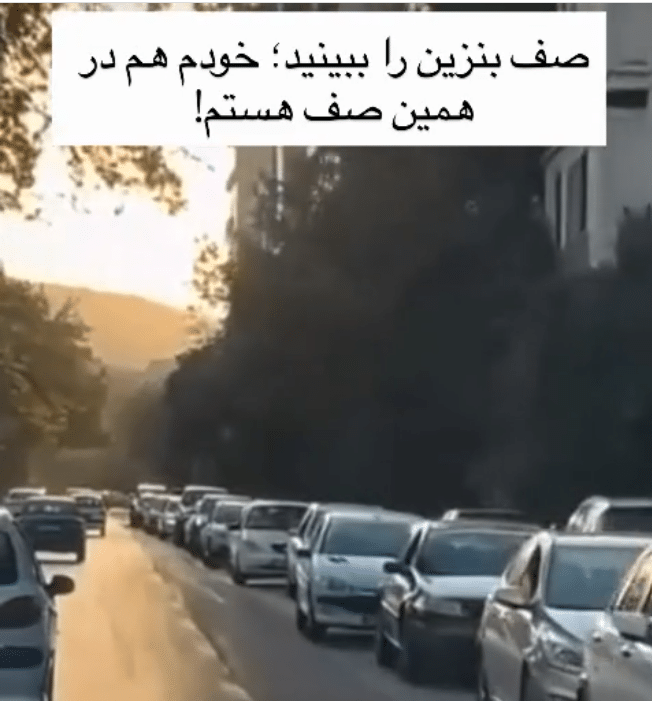
Fuel shortages and long lines at fuel stations are making daily life even more difficult. In Tehran, even filling the car has become a source of tension. One contact told us that on August 31, he witnessed two separate disputes at a fuel station escalate into physical violence, as people waited anxiously amid tighter fuel availability and a reduced 20-liter fuel-card allowance.
Banks are also closing, bringing another source of fear: whether people will be able to access their own money and income when they need it. Together, the uncertainty around fuel, banking, and other basic necessities is leaving many people feeling increasingly powerless—unsure whether the things they depend on to work, travel, provide for their families, and manage daily life will remain accessible.
Items once easily available are now missing or priced far beyond reach. Many families are concerned about how they will meet daily needs.
By September, the accounts became increasingly stark. Over the course of one year, the dollar has risen from around 100,000 tomans to more than 200,000 tomans, reflecting a sharp decline in the value of the national currency and increased pressure on people whose incomes have not kept pace with inflation.
Behind the collapse in the value of the toman are millions of individual lives: a teacher whose monthly salary runs out within days; a mother forced to sell her car to cover household expenses; families removing meat and dairy from their diets; an employee abandoning hopes of buying a home; and patients facing difficult choices between medicine and food.
People first eliminate entertainment and travel, then clothing and nonessential purchases, followed by restaurants, exercise and supplementary education. But now economic pressure has reached the point where even food and basic necessities are being removed from household budgets.
An elementary school teacher earning around 20 million tomans a month said that now her salary does not even last through the first 10 days of the month. She explained that some families have had to start purchasing food in installments because they could no longer afford to pay for basic groceries outright. Her students’ families can no longer afford school-related expenses or to send their children on school trips.
Ordinary activities that once formed part of family life are increasingly difficult to sustain. The economic crisis is affecting more than just the poorest households. For many, there is increasingly little left to cut. Their lives are shrinking in every way to address one concern—to “keep our stomachs full”—consuming their quality of life and their future.
Food Theft in Iran
Another development is the theft of basic food items.
An elderly woman was knocked over by people on motorcycles who stole the meat she had just purchased. Other contacts report that some shoppers who can still afford meat are concealing it inside different bags to reduce the risk of being targeted on their journey home. The items reportedly being stolen are not luxuries, but essentials such as meat and dairy.
Iran’s Economic Crisis Is Keeping Children Out of School
The consequences of economic hardship extend into the classroom.
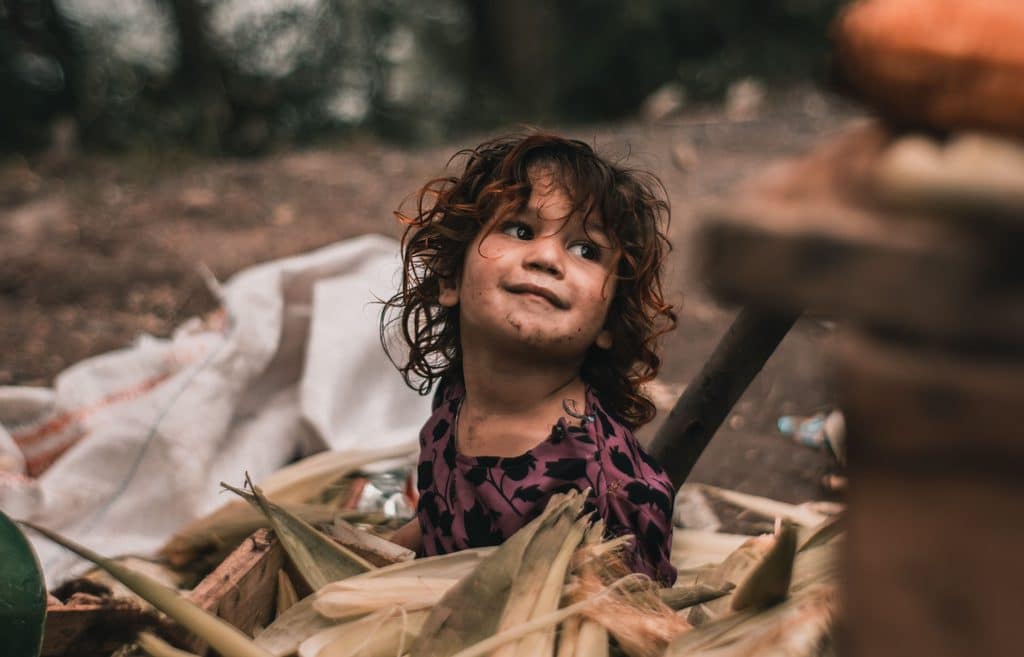
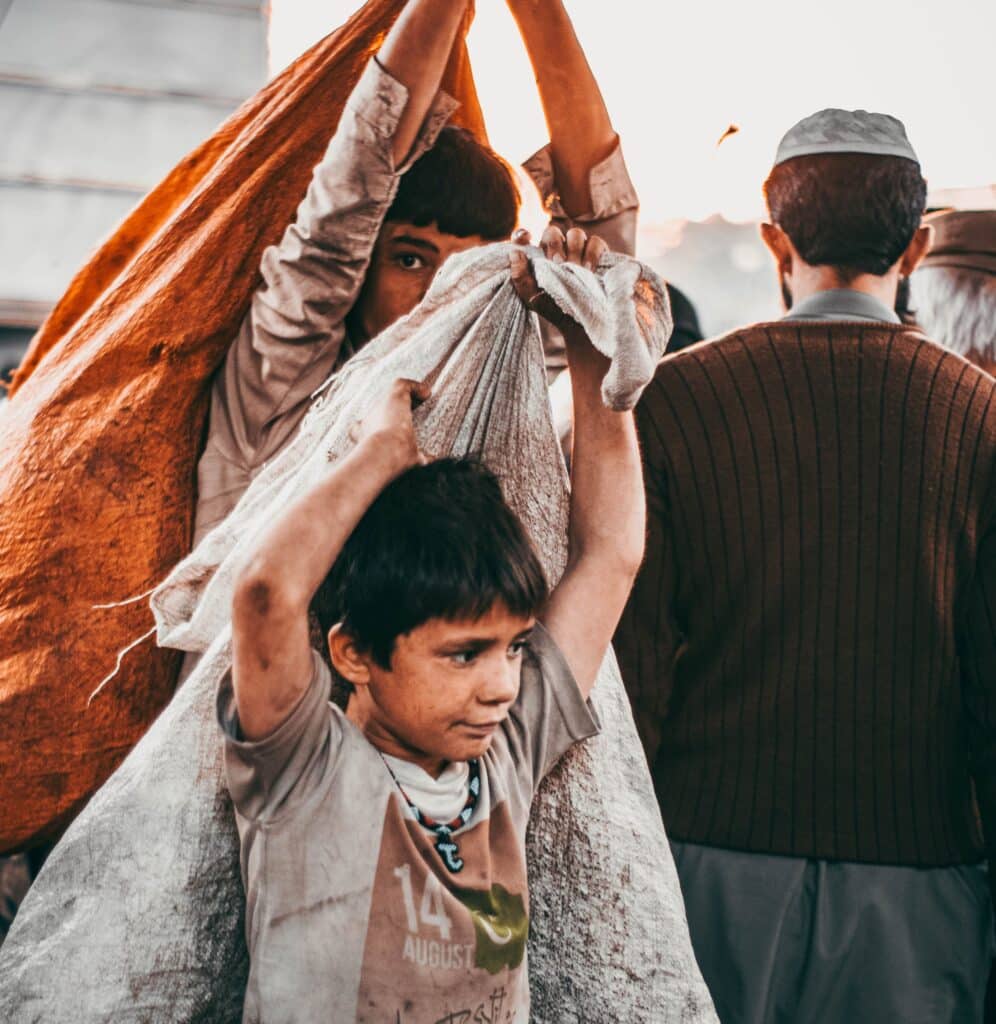
Education authorities in West Azerbaijan province reported that 17,848 children and young people have not been attending school. Of these, 4,634 were reported to be working to help meet their families’ expenses, while poverty was identified as the reason a further 2,701 were not attending school. Other reasons included living too far from school and early marriages, both of which can prevent children from continuing their education.
For children whose households are struggling to afford food, transport and school-related expenses, education can become another casualty of the economic crisis. Some are required to work to support their families. Others face practical barriers to attending school, particularly in areas where transport and educational facilities are limited.
The loss extends beyond missed lessons. When children leave education to help their families survive, their opportunities for the future may also narrow.
Iranian Families Struggle to Survive
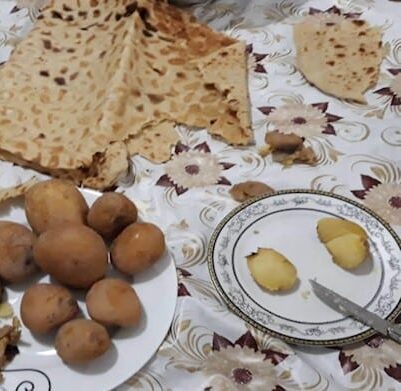
By September, some families reported surviving on as little as one basic meal a day, often consisting of watered-down soup, bread, potatoes or rice. Daily life has been reduced to meeting the most basic needs for survival. Meat and dairy products had become unaffordable for many households. As the economic crisis deepened, some Iranians faced even more desperate choices.
Perhaps one of the most disturbing visible signs of that desperation is people advertising their own kidneys for sale. Notices can be seen displaying details such as the seller’s blood type and contact information. We have even received an image of a man walking the streets carrying a handwritten advertisement offering his own kidney.
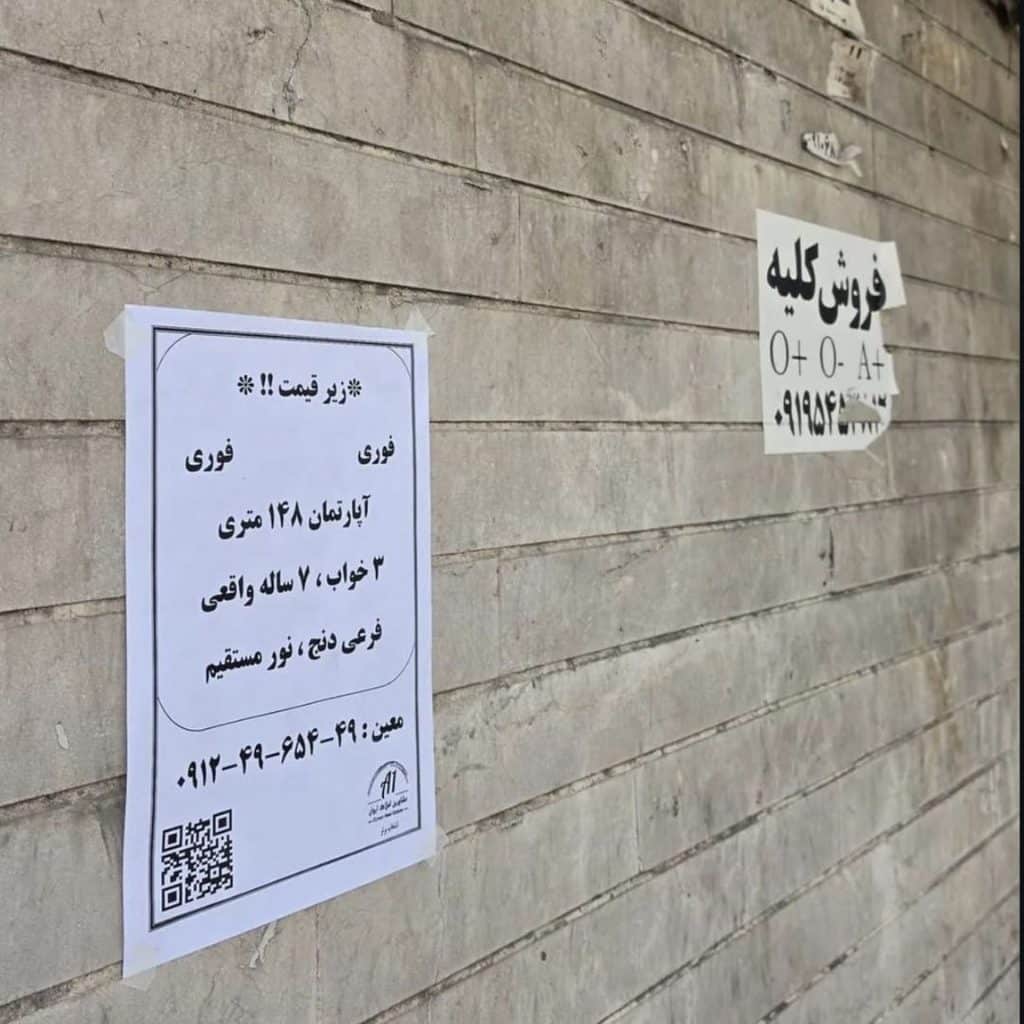
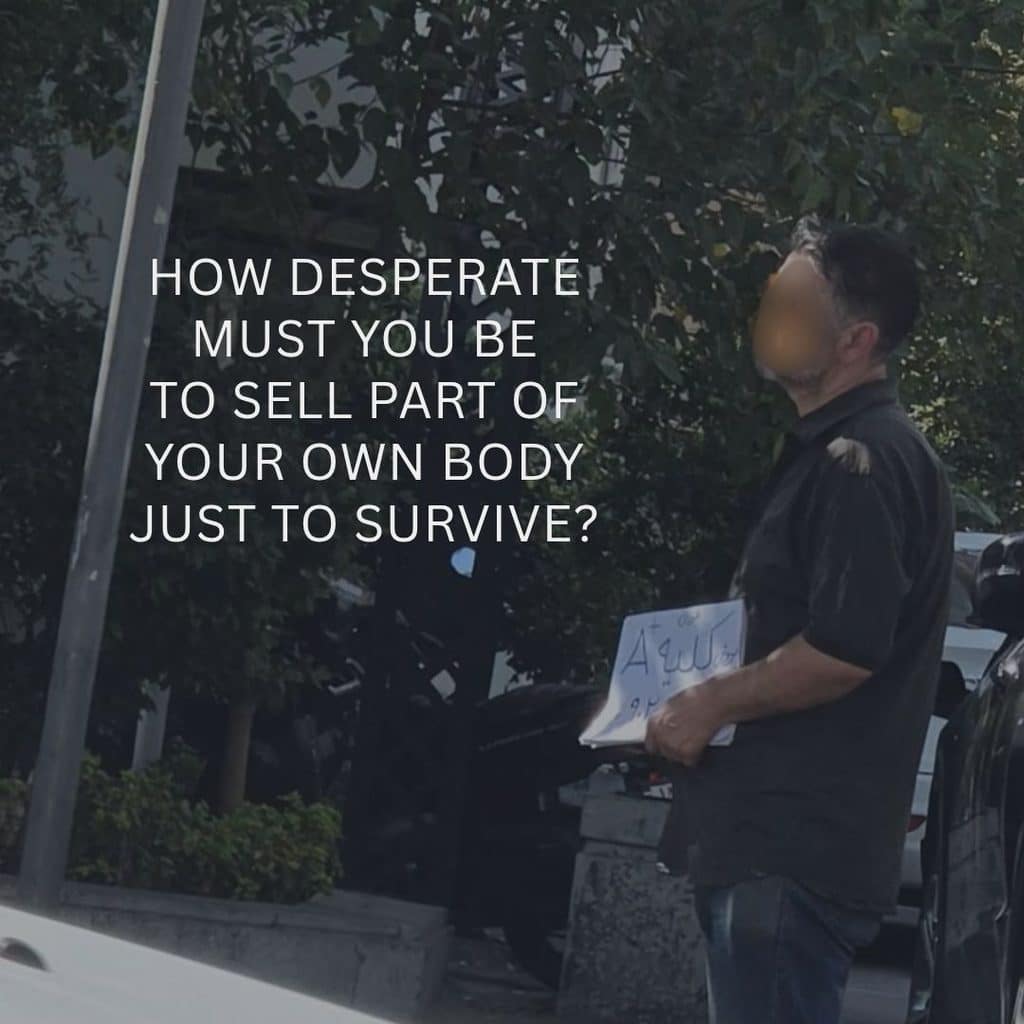
The sale of kidneys is legal within a regulated system in Iran and is not itself a new phenomenon. But against today’s deepening economic crisis, these advertisements provide a devastating picture of the desperate choices some Iranians are facing as they struggle under debt and financial hardship.
For families living under these pressures, the question is no longer simply what Iran’s political future will look like. It is how they will get through the next day.
Give an Iranian family more than survival this winter
Help a family in Iran with just a little more through Transform Iran’s trusted networks.
Holding on to Faith in Uncertain Days
But the story is not over yet. We continue in prayer and confidence that the Lord will have His victory and that Iran’s story will ultimately reflect the glory of God.
In times like this it is more important than ever to keep our focus on Jesus. Our faith—our hope—is not in any regime or leader or earthly power. Our faith is in Jesus Christ alone. The Church in Iran is well aware of this. Amid the realities of daily struggle, we hear stories of hope, faith and courage. The Church is alive and well, the lost are hearing the gospel and converts are being discipled.
No matter how chaotic the situation appears, God is faithful, sovereign and in control. He has plans to prosper Iran and not to harm it, to give Iranians hope and a future. We pray that His will be done on earth – and in Iran – as it is in heaven. And we pray with thanksgiving, trusting in the peace of God that transcends all understanding.
“Do not be anxious about anything, but in everything, by prayer and petition, with thanksgiving, present your requests to God. And the peace of God, which transcends all understanding, will guard your hearts and your minds in Christ Jesus.” Philippians 4:6–7
Pray for Iran and Support Families in Crisis
The people of Iran need your prayers and support.
In this season of prolonged conflict, growing uncertainty and deepening economic pressure, prayer remains a vital way to stand with those who are carrying fear, loss and instability on a daily basis. Pray that the millions of Iranians who have lost their hope today will hear the gospel and anchor their hope on the only One who will never disappoint.
Pray for families struggling to obtain food, medicine and other essential supplies. Pray for children whose education is being disrupted by poverty, and for those living with fear and uncertainty amid continuing security tensions.
Please also pray for our ministry teams as we continue to serve in difficult and changing circumstances.
Alongside this, your practical support can help our teams on the ground to respond in real time. Work is currently underway to provide humanitarian assistance, trauma counseling and the training of evangelists and missionaries to serve communities across the country—bringing care, hope and spiritual support where it is most needed.

Donate Today


